Community Post #32: your Thanksgiving playbook
Open to all free & paid subscribers.


I’ve put out four and a half hours of content on the federal permitting bill (part one; part two), for which I can only apologize. If even that isn’t enough for you, I recommend two more things: this podcast with Evergreen Action’s Lena Moffitt and Pete Wyckoff and this essay from Jeff Navin.
Check out this Brattle report on how distributed energy can lower costs for consumers. I believe there were recently some midterm elections that centered on lowering costs for consumers. Perhaps the incoming Democratic Congress should put distributed energy high on its agenda!
I guess everyone’s “climate hushing” these days, but the climate is still out there, getting warmer. According to the UN’s annual Emissions Gap report, we’re going to shoot past the world’s (supposed) target of 1.5 degrees and the US has become an outlier and an impediment to progress.
I’m still feeling melancholy about leaving Denmark. Read about tryg, the Danish sense of relaxed safety that comes with a high-trust culture. Sure sounds better than the constant low-level sense of threat and anxiety that seems to dominate in the US. (According to Google, “tryg” is the adjective (safe, secure) and “tryghed” is the noun, the feeling. But nobody likes a pedant.)
Love to see thermal networks moving forward in New York, where regulators just approved the state’s first two utility-scale projects. A thermal energy network (TEN) is like a district heating system, except it circulates ambient-temperature water through shared pipes, drawing heat from shallow boreholes, wastewater, and other sources, with heat pumps in each building doing the rest. You may recall that Volts was highlighting TENs way back in 2022, before they were cool. You should become a paid subscriber to Volts so I can keep telling you about stuff before it’s cool!

Nate’s Notes
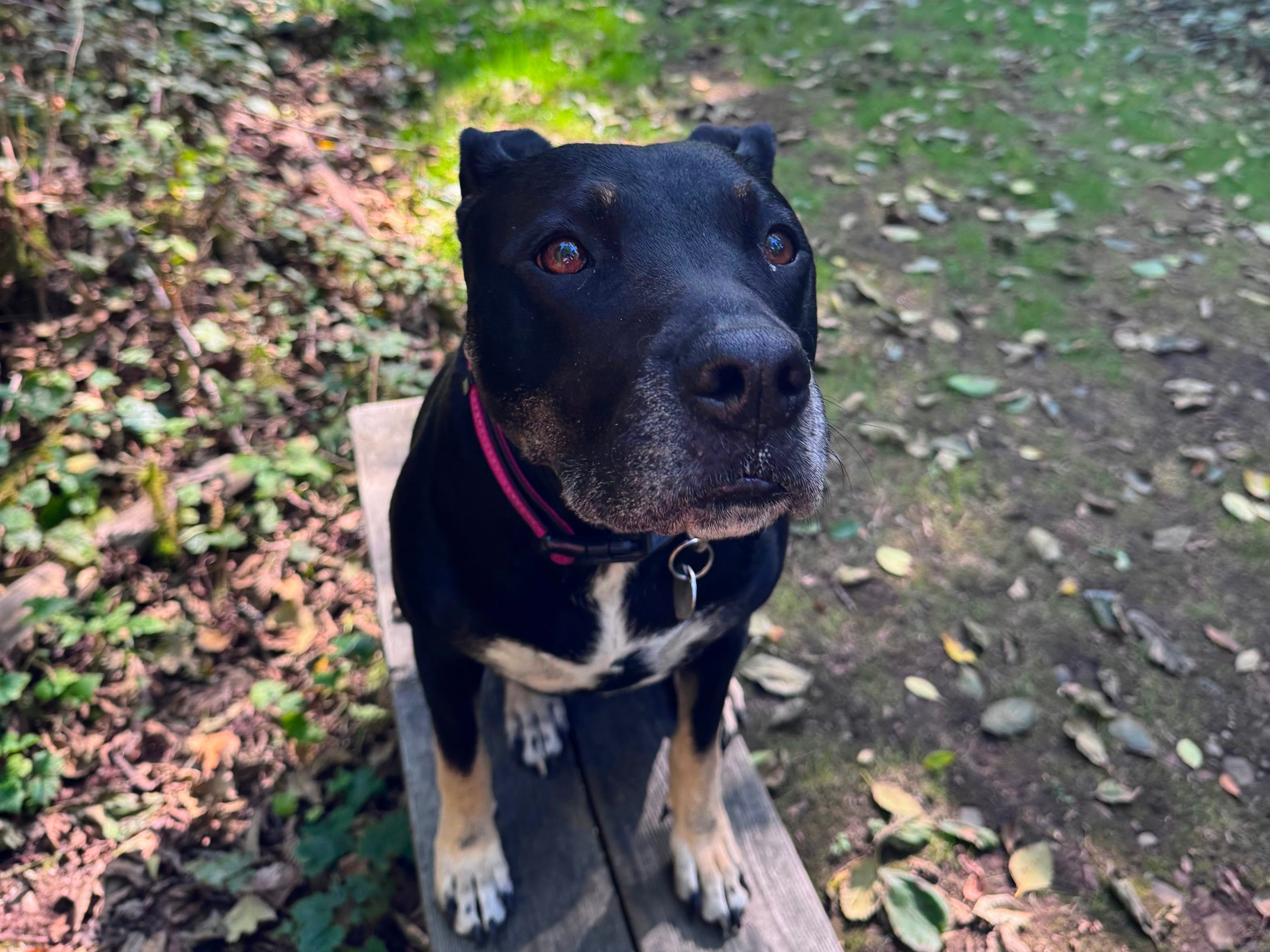
Hey y’all, Nate here. I produce Volts, and this is my corner of the thread. This month I spent more time with the federal permitting bill than with my own dog, and Storm has noticed. Questions, episode ideas, or something you made with an episode? Send it to nate@volts.wtf.
1. 🔗 Two things I read recently. First, Axios: winning congressional candidates made nearly three times as many podcast appearances as the people they beat, per Spotify data, and 96% of winning House candidates went on at least one podcast. Competitive races drew more bookings, so it’s not all cause and effect, but the 2024 podcast election clearly wasn’t a one-off. Future candidates, you know where to find us.
Second, McKinsey’s new look at the world’s trade chokepoints. The Strait of Hormuz is one of four with no way around it, and ship traffic through it fell as much as 95% this year. Half joking, fully serious: nobody can blockade the sun.
2. ✅ Comment of the month. Two honest takes on David’s four and a half hours of permitting, from readers starting in different places. Word for word.
Emma Bartlett: listened to the whole pod, twice! I work in clean energy and volunteer for a conservation non-profit, so my world is very split on this issue. After so much research, it’s clear to me this may be the best chance we’ll get for a long while and we absolutely need to take it, but its hard to tell a room full of conservationists that one of the costs is taking away one of their primary tools for protecting old growth ecosystems (NEPA process litigation).
Jordan: This post has flipped me back to at least neutral on the bill. The baseline permit arguments here are important. The political stuff, at least credible enough to be a draw. I needed to be convinced that this bill doesn’t help datacenters. I’m not sure I’m convinced, but I’m at least back to genuinely unsure. I’m more or less trusting everyone here that this bill won’t lead to a huge spike in FF installation. if it does, well, don’t have to say it. I know we need to build a ton of clean energy, but we also can’t afford another giant surge in locked in FF, because no one in this country has the balls to turn any of that off.
3. 🦃 Your Thanksgiving playbook. Thanksgiving is ten days out, and David’s notes this month circle two ideas: plenty of people are climate hushing, and the midterms were about lowering costs. So, a practical question. When energy or climate comes up at your table, what actually works?
I’ll share the best lines in next month’s thread.
Nate


Monthly Thread: How It Works
This is the monthly place to share. Reply under the pinned headers in the comments:
ASK DAVID (keep it light): the questions David likes answering. The top few go into his next bonus episode, or get a one-line answer here.
EPISODE IDEAS & GUESTS: who or what should be on the pod. When one becomes an episode, this thread says who asked.
OPPORTUNITIES: jobs, events, meetups, and calls for collaborators. Post only what’s real and current, one post per org, and reply to people who reach out.
EVERYTHING ELSE: including replies to the notes, community questions, and other topics.
Reply directly under a header so people can find you. A few rules of the road: bare links get removed, so tell us in a sentence or two why yours matters to this crowd. Spam and anything inappropriate get removed too. Be nice, and have fun out there.
Rather email? Write to nate@volts.wtf. Send a question for David you’d rather not post, or something you made with a Volts episode (a class, a deck, a chart, a build). With your OK, it may show up here. And if money is the reason you’re thinking about canceling, write to me before you do.
I will lead the conversation with affordability, convenience, and comfort of electrification paired with solar + storage. These kitchen table discussions about heat pumps, home batteries, and EVs precede the solar install discussions, but we get around to it all eventually. Everyone at our Thanksgiving table understands the science of climate change and the importance of decarbonization, but that doesn’t translate to switching to heat pumps, EVs, and solar+storage. We need to ease their fears about a new way to live that can still satisfy their needs. Losing the IRA incentives makes our job harder, but we do our best.